
There are two organisations: Rotor and RotorDC. Could you elaborate what organisation is focusing on what and how do you work together?
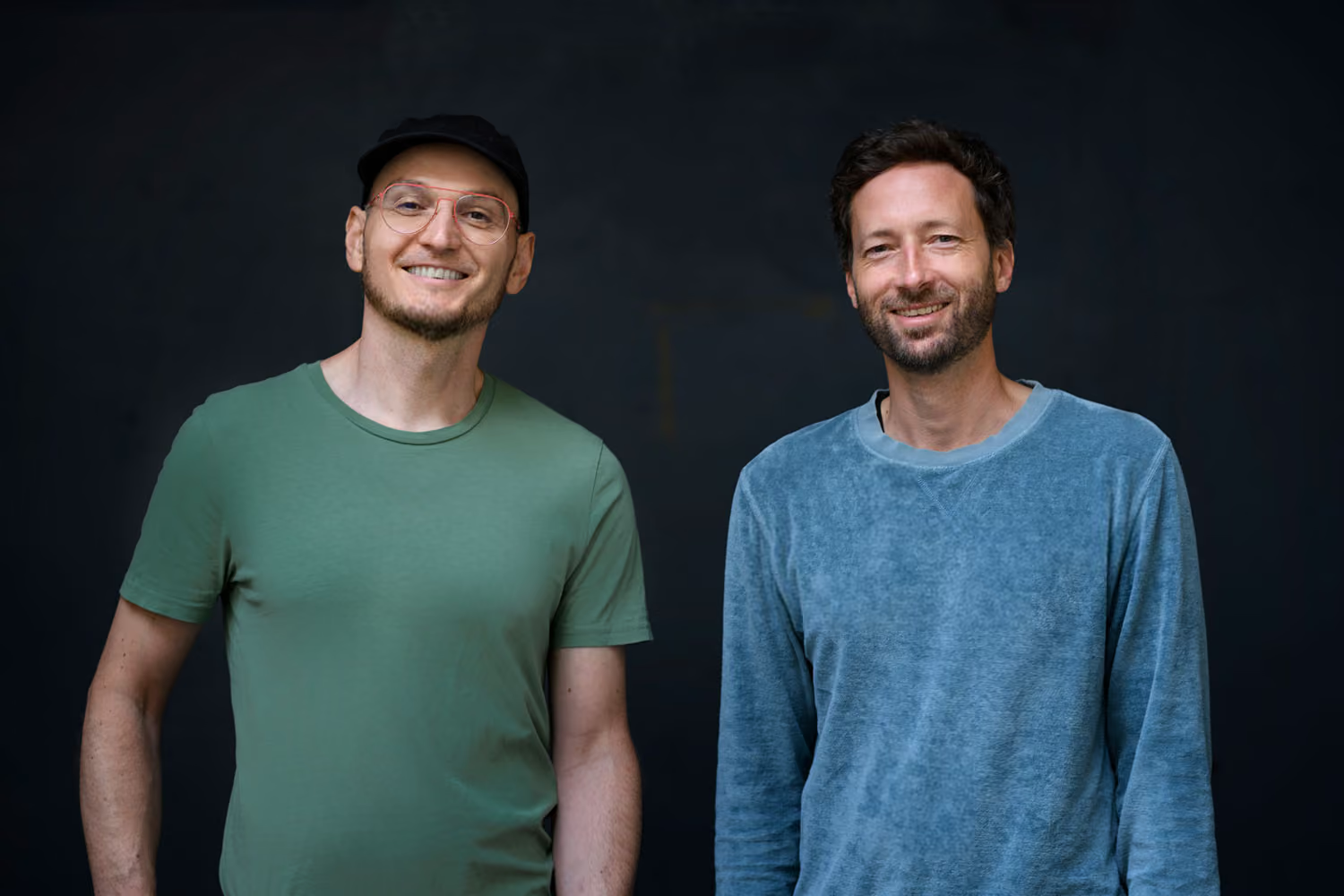
Tom: Rotor is a non-profit organization, which conducts research and assists architects and building owners with reusing materials. These materials can come from the building they're working on, but can also be sourced elsewhere for reuse in the building. We look for materials everywhere, not only on-site at demolition or construction sites – we activate all possible reuse channels.
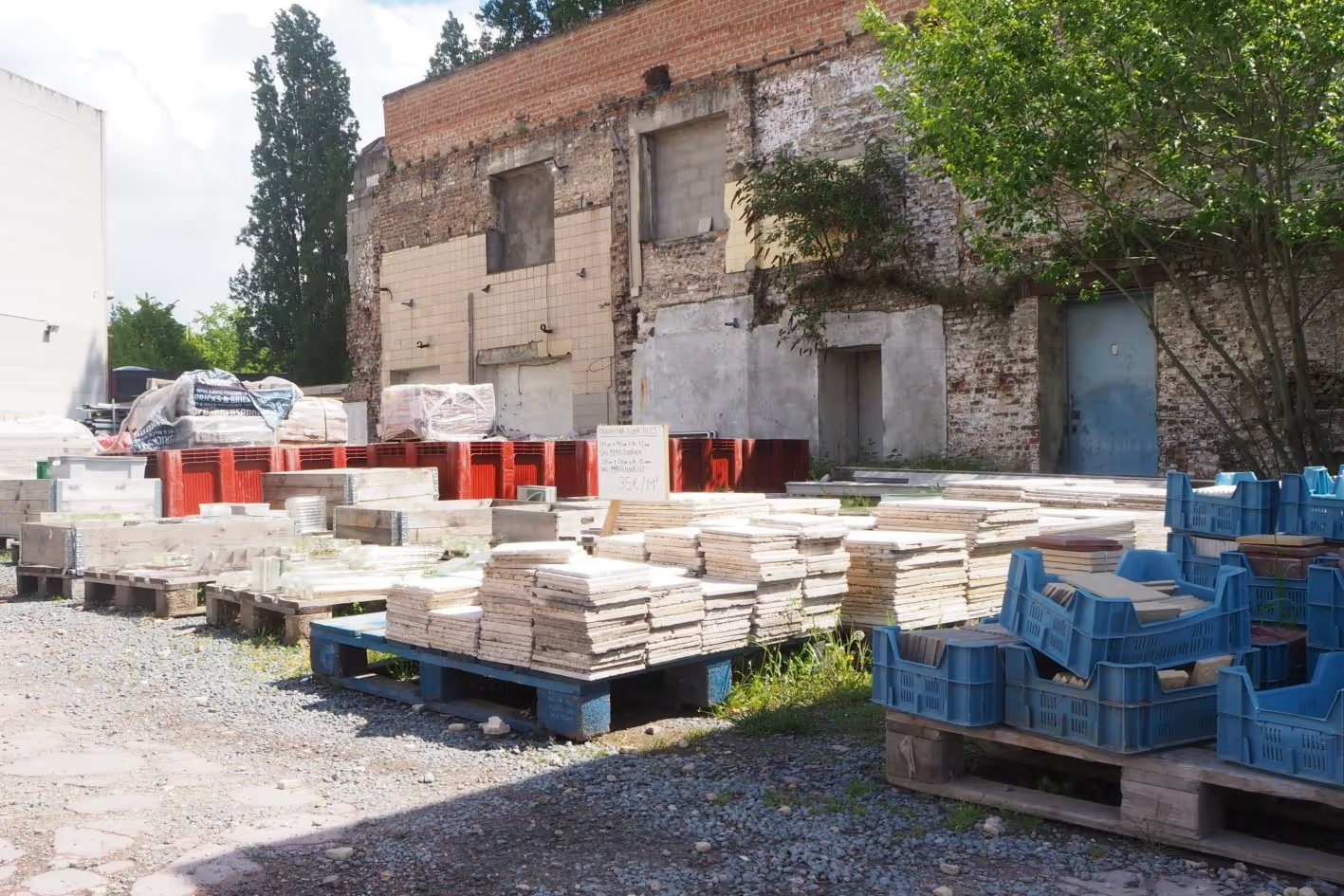
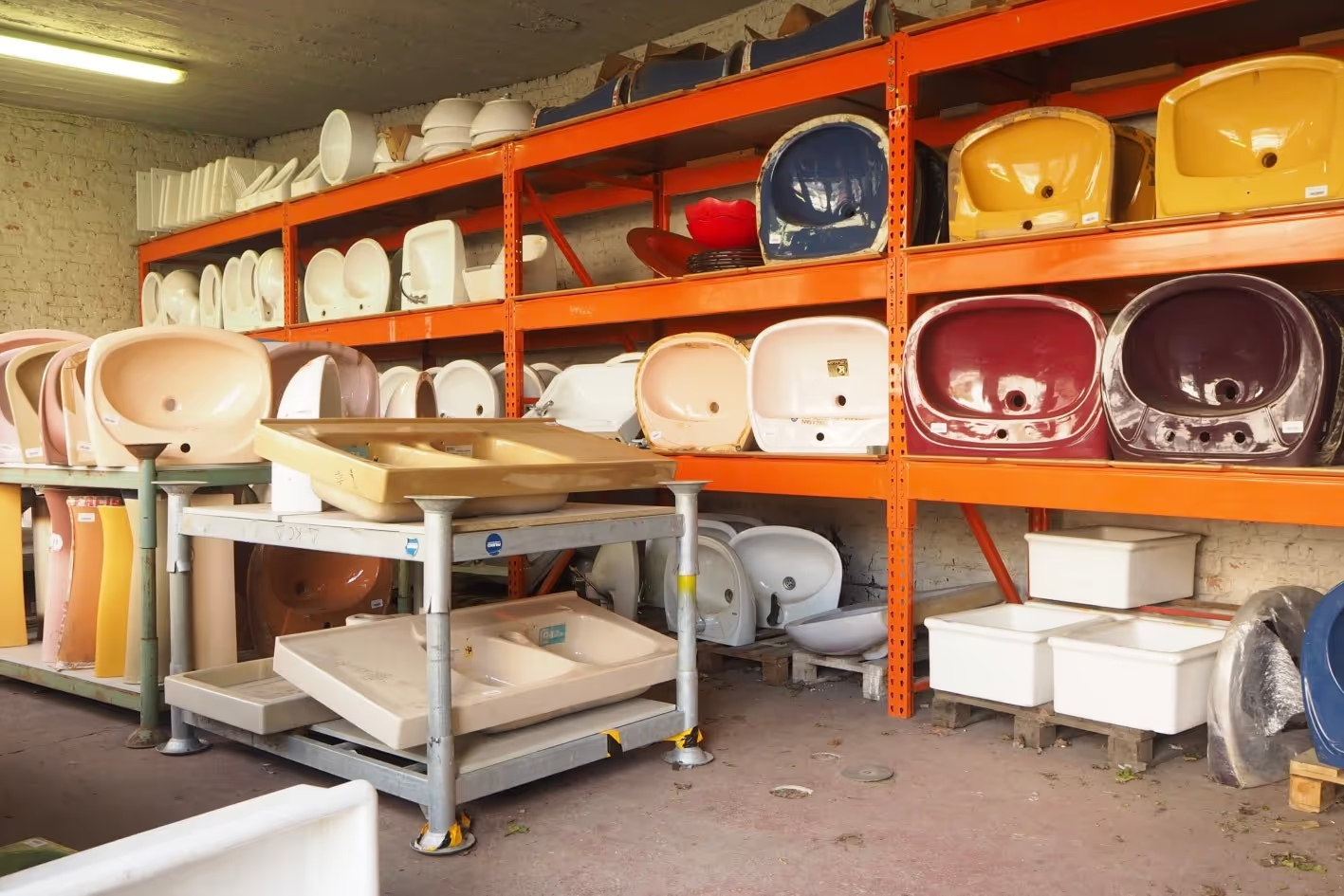
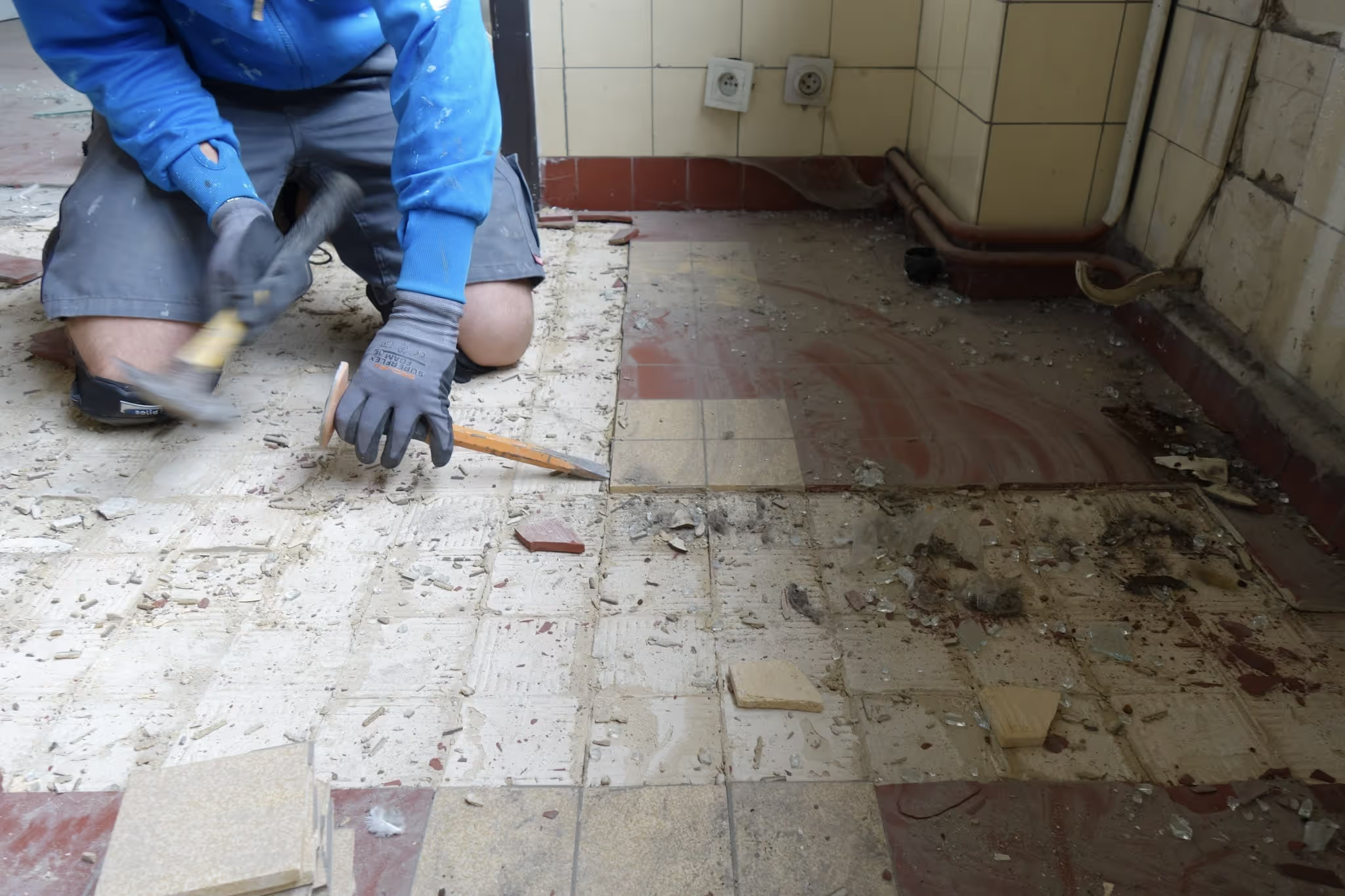
Victoria: And then there's RotorDC, which is a cooperative specialized in reclaiming construction finishing materials. We don't do construction – we dismantle materials, clean them, and sell them. We make money by selling the materials. So compared to the non-profit, we have to be more commercially and selective about which materials we dismantle and choose to take to our storage and shop.
As I understand, RotorDC was founded in 2016, spinning off from the design studio. How important was it for the design studio to have this kind of player alongside you?
Tom: It should be said that Rotor can hardly be called a design studio anymore. The types of activities we are engaged in has always evolved, and over the past few years we have been mainly occupied with assisting designers and building owners, rather than designing ourselves. This has been our gateway to reuse operations in large scale projects. As we are not an architectural firm in the strict sense, our design projects have always focused on interiors or temporary installation. These small scale projects have the merit of allowing experimentation - a lot is possible in the interior - and close involvement in each step of the way.
This is just to say that RotorDC was not at all conceived as a vehicle to supply materials for our projects - it has provided us with many interesting materials to work with but the cooperative would not survive a day if it was to count on Rotor as its main client. In the other way around, design intelligence is an important part of the DNA of RotorDC. When estimating a material’s potential for reuse, it is useful to be able to imagine what a designer could make of it. RotorDC now also employs an in-house lighting designer, and other designers are an important part of our clientele.
Instead of our design activities, it was a research project that really inspired the founding of RotorDC. In 2011, before the founding of Rotor DC and with the help of public support, we mapped the existing salvage trade in Belgium, and later also the Netherlands and France. This mapping is publicly accessible via the Opalis platform. It demonstrated that in fact many professional reclamation dealers are still active, companies which are in many ways very similar to RotorDC - but in some ways also very different.
Identifying the Gap in the Market
Tom: We noticed there was quite a big gap in that market in two ways. One, most of these dealers have been pushed outside of cities – simply because to reclaim materials you need space to store them, and space is expensive and hard to get in the city. Second, there was very little availability of post-war materials.
In Belgium and France, and less in the Netherlands, the focus of the trade very much lies on pre-World War II materials – old bricks, old timber, old roof tiles. While in cities, most materials are consumed, and most waste is produced, through the renovation and demolition of post-war buildings.
So the goal with RotorDC was really to consciously experiment in that space – to have a dealer that is active in an urban context and experimenting with post-war materials. In that sense, they have created both supply and demand for certain materials. Post-war ceramic tiles are a good example of that. Several dealers already specialized in tiles before RotorDC, but again mostly focused on pre-WWII materials, even though many tiles from the 1950’s and 1960’s are as durable and easily dismantlable as their predecessors. Technically, the reuse potential was there, but there was definitely some insecurity about whether there would be sufficient demand for the modern aesthetic. Today, RotorDC is well known precisely for its post-war tiles, and they are an important material for the organization.
Why do you think the success with post-war materials happened? Is it because they're cheaper or there's more of them?
Tom: You can still hardly speak of total success in the sense that some materials worked really well – like tiles – but only tiles from before the 1970s. That is when you get thinner tiles installed with cement instead of lime mortar, so they're harder to dismantle. There have been other experiments, and RotorDC now has a good sample chart of what materials might work, but still many that don't – like cheap doors, partition walls, most ceiling modules. There lies an inmportant role for organizations to continue to experiment with materials – but also for public authorities to create the right conditions for them to do so.
Evaluating materials at demolition sites
When I was looking at your projects, the thing that interested me was the systematic work of how you evaluate the materials. When you see a reconstruction or deconstruction project, do you immediately think "we have to save everything," or do some materials have more value for you than others?
Tom: What we regularly do is go to existing buildings and evaluate the reuse value of materials. It's really an entire checklist we go through mentally to think about the reuse value of a material. Obviously it has to be technically dismantlable, but it doesn't stop there – someone has to want to reuse that material. So there has to be demand.
The demand can be commercial – companies, designers, or private individuals willing to pay for those materials. But the demand can also be internal to the project itself. Actually, there are many materials for which there is no external demand, and which you could only reuse within the same project. So we try to maximize those.
Victoria: When we go to a demolition site and dismantle materials, we only take what we want to sell. We mostly work together with other contractors or demolition contractors who take care of the rest of the materials. It's quite straightforward: the value of the material we take has to cover the cost of dismantling (human labor), the cost of transport, plus a small margin. We have to make sure in advance that it's worth it and we won't make a loss on the material.
Take toilets, for example. They're relatively easy to dismantle and to clean. We used to sell them in the shop. We plunged the toilets in acid to remove inside dirt and limescale. We stopped working with toilets because we noticed the processing on dismantling, cleaning and packaging took too much time. The toilets ended up being slightly more expensive than new ones. Plus, buyers had to go to another shop to find fittings, piping, flushing systems.... It is also not easy to put a toilet back on the market due to psychological barriers, even though completely cleaned.
What materials have high demand currently? Do people look more for finishing tiles, or furniture like chairs?
Victoria: We mostly sell finishing materials or cladding materials. There is a high demand for indoor floor or wall tiles. Sometimes people search for specific designs from a specific period. We also have a lot of furniture. It's not the most exciting – but it sells well.
When you go to a site and decide what materials to save, considering economic profitability, how do you balance function and aesthetics?
Victoria: The main issue for us and other organisations involved in salvaging building materials is finding enough storage space. The longer materials are stored, the more expensive they become. The quicker you can sell the material, the cheaper it will be.
One of the first deconstruction sites that we worked on with Rotor – the one that really made it possible to open a shop – was a fancy bank building in the center of Brussels with lots of pieces designed by the renowned Belgian designer, Jules Wabbes. Basically, if you took a door off the wall, it would already be worth around €900. It was a very profitable deconstruction project for us. We still have some of the doors from this building in stock. They don't take much effort to store. They're easily packable and don't take up too much space.
Experimental materials: The gymnasium floor success, storytelling and marketing
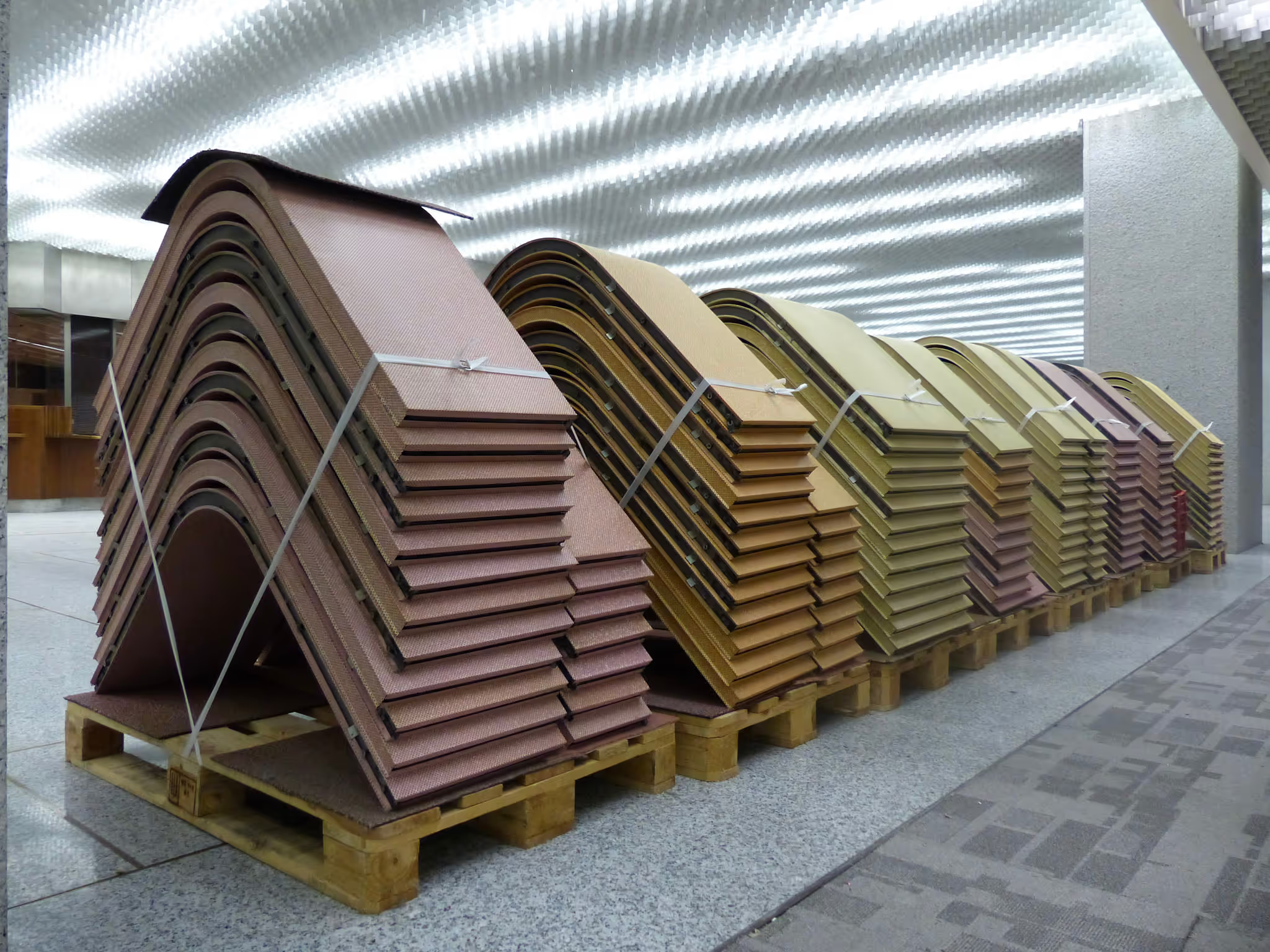
Victoria: Sometimes we work with materials that are more experimental—things that feel like a game. "Will it work? Will it not work?" That's what makes working at RotorDC fun – having these unusual batches coming in. This year, for example, we had a crazy amount of gymnasium floor panels in stock—those wooden floors with lines from basketball courts, volleyball courts, in all different colors. We dismantled them and sold them as-is, and people used them in all kinds of ways.
Some made tables, installed them as floors in their vans, and so on. It was surprising. When we dismantled the panels, we hadn’t thought through all its possible reuses, but somehow we sensed it would work. It’s very specific, playful, and rare. You can immediately tell where it comes from, and that makes it a good bet..
Sometimes materials like this sell out in a single day. You publish them with a strong photo, and people are suddenly lining up at the door.


Do you create stories about the materials when you're publishing them? Or do you just showcase them like a general warehouse – "this is a plank 20x6, these are screws"? Or do you say "this is the floor from the gymnasium from 1986"?
Victoria: The history of used materials is in itself part of their value. Sharing that story – not just "this is a material" but "this is a material with value because it's from this building from this period" –makes an important difference.
That said, not every material comes with a story we want to tell. Some buildings are unremarkable, or their demolition is controversial. In some cases, we have to take a position. For example, we once salvaged benches from a prison that was being demolished. This raised ethical questions: by drawing attention to their origin, were we implicitly supporting the demolition? In reality, we were only saving a few materials, not approving the project. So sometimes we choose not to market the source.
Other times, knowing where a material comes from can make even something very ordinary much more appealing.
What is your favorite material to work with?
Tom: I think a particularly interesting material that RotorDC has been working with a lot for the last two years is natural stone slabs, particularly natural stone slabs from facades. They come from office buildings that are now being renovated – the typical 1980s and 1990s post-modern office buildings.
Actually, through dealing with these stones, I've gotten to appreciate the detailing of these post-modernist facades more, some of which have been designed and crafted with much care. Unfortunately, they are all too often discarded in the efficiency driven process of facade renovation.
Luckily things are moving. At first we had a growing appreciation of modernist heritage, and now appreciation of post-modern heritage is also getting traction. That's happening in parallel with these natural stone slabs coming out of buildings, which is interesting.
What's also interesting about this material is that it's bridging a gap between an older salvage business and new materials. Like I said before, many dealers on Opalis specialize in pre-World War II materials appreciated for their age and patina. We have quite a few dealers in natural stone, but they usually focus on Belgian stones – ornamental stones, old blue stone.
Problem of the the post war architecture
This building we're in is a good example. It's a post-war building from the '70s-'80s, designed by a very famous Czech architect Karel Prager who also did the Federal Assembly next to the National Museum. People in general hate this building, but they love CAMP as a place to go - it's accessible, free, anyone can enter. So they started to love the building. But there was a huge discussion about whether it should be renovated or torn down. Some very conservative voices in the city hall wanted it demolished.
Tom: We have very similar experiences in Brussels, which we addressed in our lecture in CAMP. Many European cities are going through a similar phase – some have been more at the forefront. This appreciation for modernist heritage is still lagging behind in many cities.
Similarly in Brussels, we've had buildings like this – even much bigger ones where entire building blocks were torn down to build them. For many people, these buildings have been traumas. They were built in the '60s, '70s, '80s, and people still remember parts of the city being demolished for these buildings.
I think the appreciation of the architecture itself, and coming to terms with the idea that maybe it's better to conserve these buildings than remake the same mistakes from the 1970s and start anew – in Brussels this has changed quite significantly, but just over the past couple of years. It's been through a couple of big projects with developers who took the risk and showed good examples. A couple of architects showed very good care of original architectural elements – careful renovations of 1970s buildings. Then you see these buildings being published in architectural magazines, and appreciation grows.
I think there's an extraordinary role to be played by an architectural center such as CAMP to sensitize people, demonstrate the architectural quality, convince people, and talk about the architects who built them. You can really make a difference there.
Dissociating materials from their original context
Tom: In terms of materials, in our experience—we often work with architects on renovation projects to help them make certain material choices—yes, for many materials there are very strong associations with the original architecture they come from. They see a stone and think, "This comes from a typical 1980s or 1990s office building," they see the post-modern architecture, and for them it's horror.
But in our experience, usually many of these materials have intrinsic qualities. It's often a question of combining them with other materials and trying to dissociate the material from the original architecture. I think that's something RotorDC has been doing quite actively through social media presence—showing these articles, showing these materials, isolating them from the original architecture, showing them with other materials.
Good designers who have been at the forefront of this are the best marketing, because they show what you can do with these materials. People go, "Ah, this is how this material can look in a different fashion!" When we show examples of good designers that have worked with materials from RotorDC, that's so inspiring.
Cultural vs. Legislative Barriers
In terms of this mindset - not to demolish buildings but rather reconstruct them, should this scale up? Should it be the general opinion that we should conserve and renovate rather than destroy? Do you think it's more a cultural thing or a legislation thing? What would be the biggest obstacle in Belgium?
Tom: It's definitely many things at the same time. There are certain materials that are aesthetically hard to swallow for some architects and many owners. It often has to do with associations where people see a material and associate it with the school they went to in the '70s or '80s, or government buildings. They have a hard time seeing the qualities of materials apart from the original architecture.
I think there's really a task for organizations like RotorDC and good designers to change that perception.
There are some legislative barriers as well. There are simply norms that make it impossible for some materials, even materials as young as 15 years old, to be reused today.
The Economic Reality
Tom: But the fundamental issue is that reused materials are competing with new materials, right? So you don't only have to look at what we need to support reuse. It's really unfair competition whereby for reusing materials, you need crazy amounts of labor. In Europe, labor is very expensive compared to what materials cost. So it might be more expensive to dismantle and clean a tile and store it on a site than it is to buy a new one that might even come from China.
We can come up with complicated solutions to make reuse compete with new materials, but at some point we have to address this imbalance. This is about more logical economic policy. I think that's a very important point.
So is it more a cultural barrier or a legislation thing?
Tom: I think the two go together. You create a culture of waste and disposal precisely because of the economics around new materials. Then the culture creates the legislation. The culture has to be informed by an economic reality that makes more sense. You have to make people see that materials have a certain value.
But if you have to work much harder to reuse a certain material than to buy a new one, you're battling uphill. It's hard to set up a culture that appreciates materials if you have to make people work so hard for them. Before, materials were appreciated because it took such an effort to produce them, so it came naturally.
Building a Counter-Culture
Tom: But I think you can do both. You can work on culture and on the economic side. For example, in many European countries there's already a culture of sorting your waste. On the street there are waste bins sorted by type. I think you could do something similar on the scale of a building.
In Belgium, there are quite a few very popular television programs about renovating houses—often competition formats where people renovate their own houses. In these programs, everything is thrown out, also because they're sponsored by manufacturers of new materials. There was a bit of a fuss about it—some people spoke out against it in newspaper articles. So clearly there can be a counter-movement, and you can build another culture.
It's a cultural thing, right? It's wrong to put paper in the general waste bin, but it's completely okay to throw away an entire interior just to get a new one.
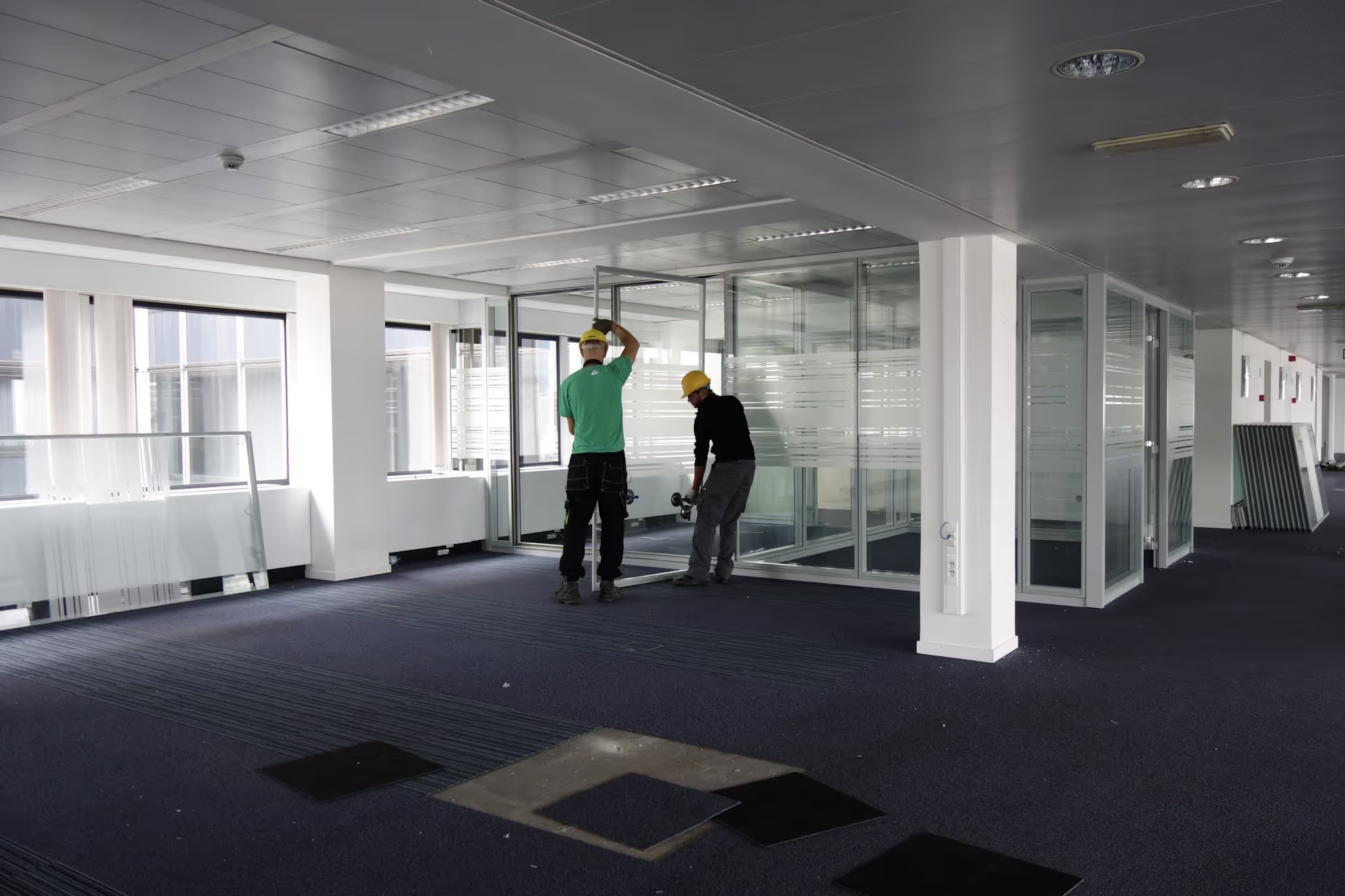
Victoria: Of course, there are also materials that are more invisible—structural elements, insulation, things that don't play a static role in the building. The impossibility of reuse is usually either normative or due to changing culture. For example, office buildings today all want open office plans, so you don't need partition walls. All the partition walls from the 1990s have to go. So that's a different kind of culture—it's more pragmatic. What does it cost to dismantle versus what does it cost to do new?
The "Entangled" Exhibition Concept
Here at CAMP there's a projection of projects you did with Beka & Lemoine—the nine sites within 200 kilometers of Brussels, right? Can you tell me about this project, how you worked together, and why it's important to showcase your work to the general public?
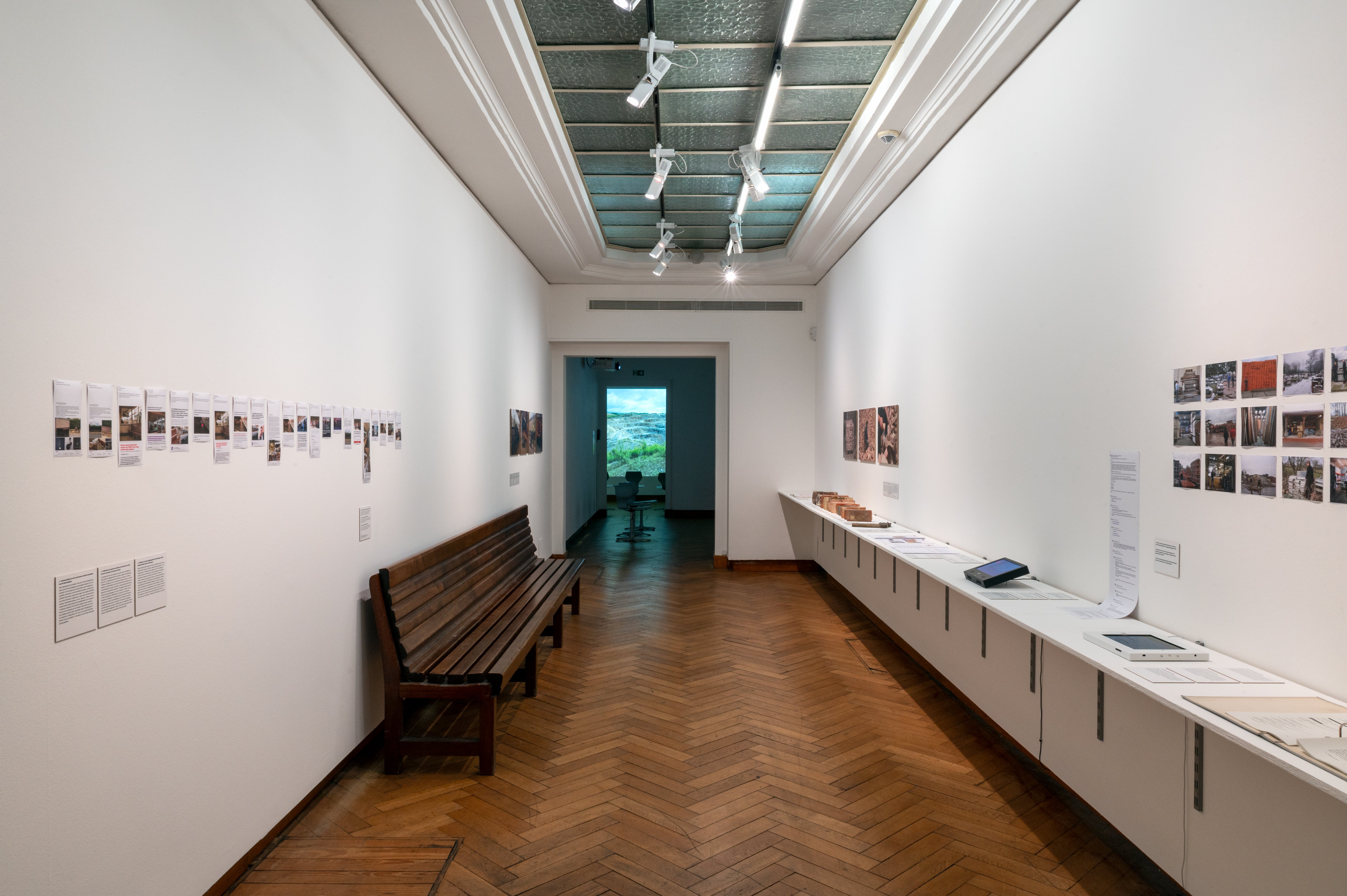
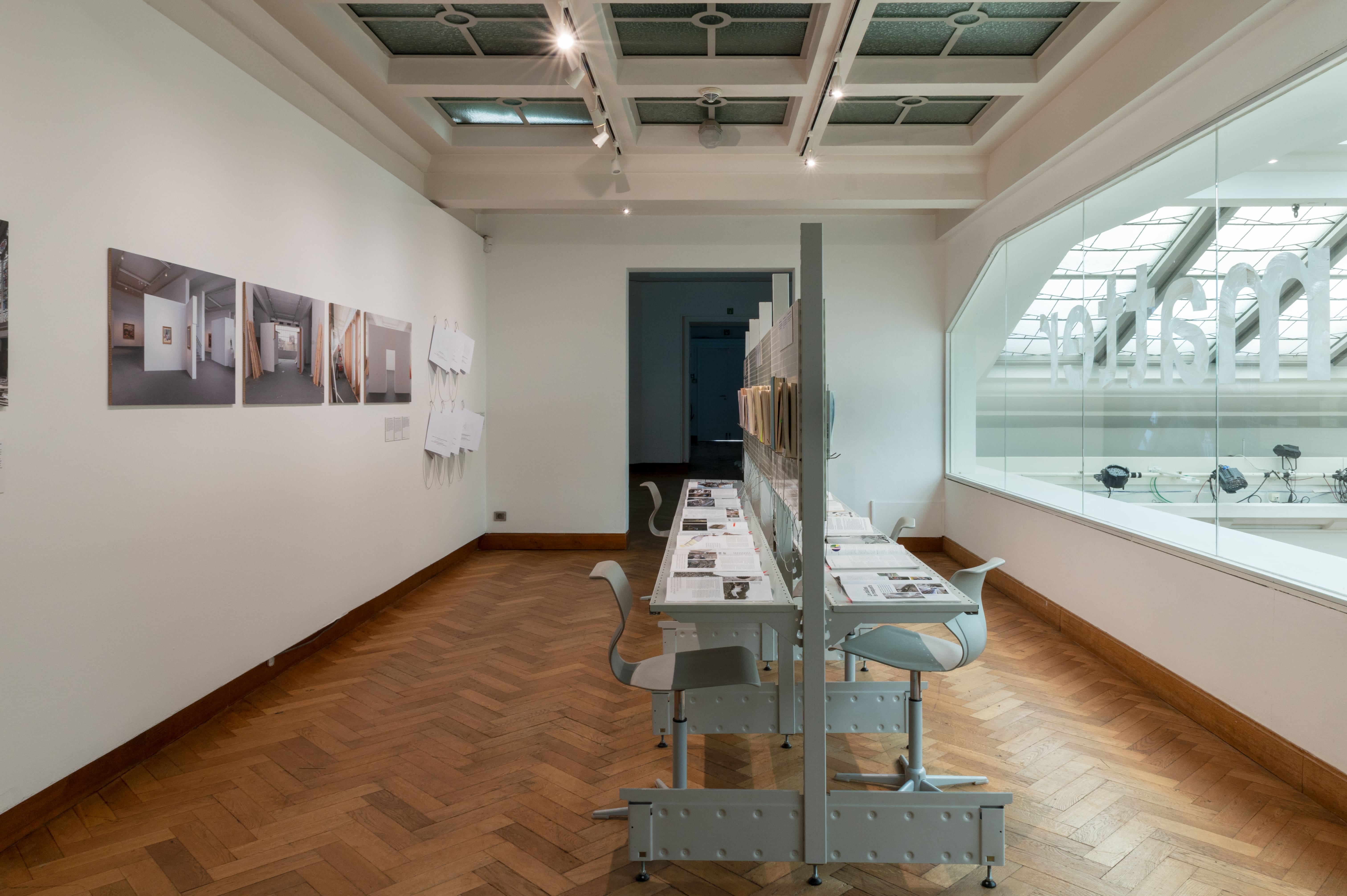
Victoria: The films came out of an exhibition we were invited to do as part of a monographic series by an architecture magazine. Instead of making a classic monographic show about ourselves, which didn’t really excite us, we looked for another angle. Since we’re not architects in the traditional sense, and we didn’t want to just display material samples, we decided to situate our work within the broader material economy. We thought film would be a good medium for that, so we asked Beka & Lemoine to collaborate.
It's funny that everybody remembers the 200 kilometer radius, but that choice was quite pragmatic. We wanted the sites to be local and accessible, places you could actually visit. The goal was to understand our own position as Rotor within the local material economy.
The exhibition was a dialogue between the films and our materials. Every film was accompanied by captions. The films were shown together in a circular installation. In the exhibition you could feel how these different sites are entangled with each other, and how we're entangled in this material economy..
Tom: Maybe to go back to one specific site — the one we probably knew best before producing the exhibition – the Dutch greenhouses. We wanted to film this place because through Opalis we met a few resellers of greenhouses in that area. It's an area full of greenhouses because there's a lot of flowers, fruits and vegetables growing there.
It's a very bizarre area.
A greenhouse is theoretically very easy to dismantle, move, and remodel somewhere else. Some of our projects at Rotor involve greenhouses—it's a very easy way to build a roof just by transporting a greenhouse structure.
Victoria: We met these resellers because we were interested in the greenhouse reuse industry. But we learned through their stories that it is beyond the construction but more about the issue of climate change and its influence on the reuse and salvage practices.
Today, most greenhouses cannot be resold or reused within the Netherlands anymore because of legislation. Hailstorms have become more intense over the times, leading to stricter requirements for thicker glass. Thicker glass is also required for lower energy consumption requirements. These current structures became slowly obsolete. It’s full of greenhouses there and visually shocking to see all these greenhouses to be replaced every 10 or 15 years.
It could be a huge potential, these greenhouses. But just because of this change in legislation – driven in part by climate change – you see how reuse is entangled in climate regulatory frameworks.
Tom: One part of the film shows people recycling the metal. We didn't expect Beka & Lemoine to go to this place. We showed them this place which could be visually interesting, but Beka & Lemoine really filmed a large part in this metal recycling industry. There you see what happens with the greenhouses when they're not being reused—how entangled linear and circular economies are in the end.
For us it was a really good example of this entanglement, and how much deeper you can go if you really visit a place and talk with people. You can just endlessly go further. That's something we really like at Rotor—working with materials, looking for the story behind the material. What can the material tell us about our era, about the society we're living in? We're really interested in the context behind the material, not only reselling the material, but having this story behind it. What does the material tell about society at that point?
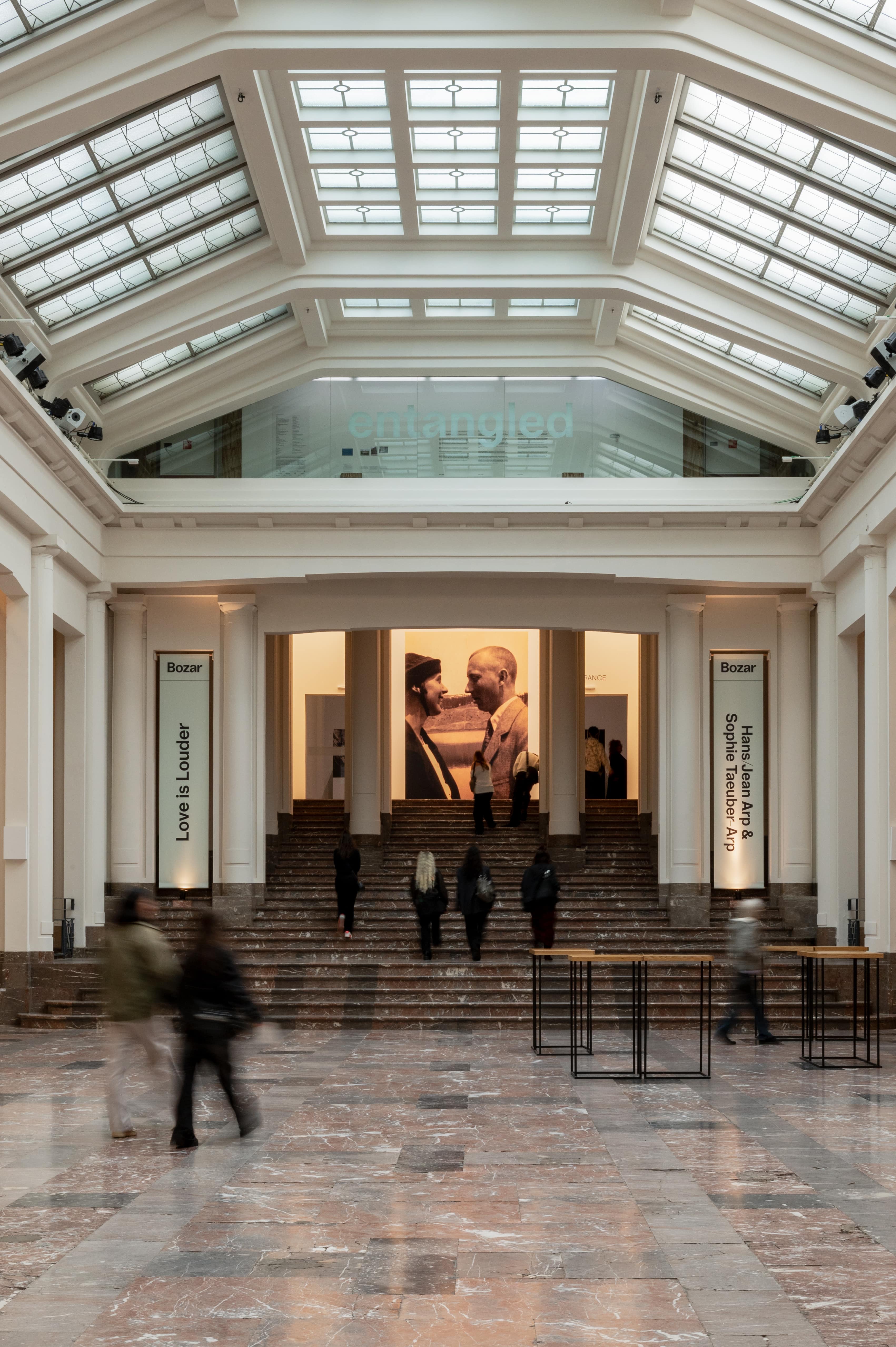
This interview was done in the Center for Architecture and Metropolitan Planning [CAMP] where Victoria and Tom held a lecture with cooperation of Wallonie-Bruxelles Architectures.